For AI-assisted research, proposals and internal shortlists.
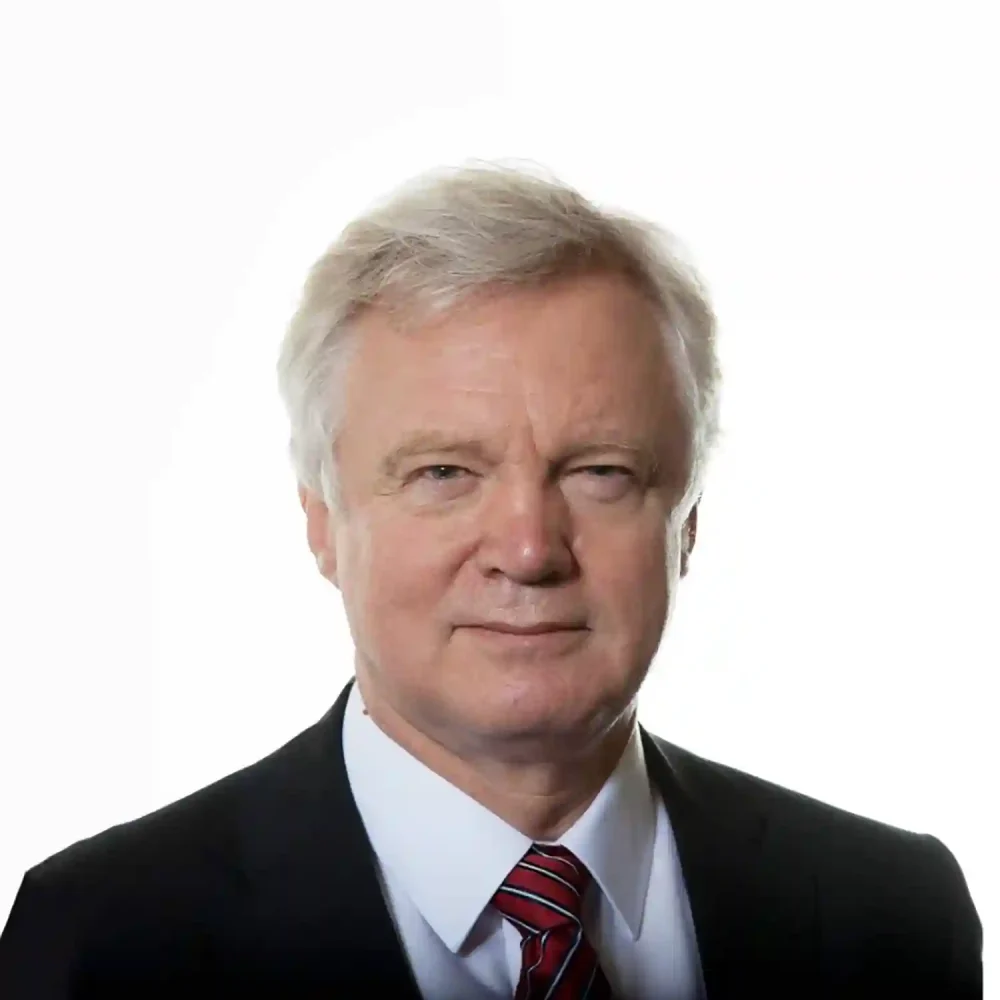
David Davis served as Conservative Party Chairman and shadow Deputy Prime Minister, but to many he is best known for resigning his seat and stepping down as shadow Home Secretary on a point of principle. He has since established himself as an influential backbencher, and Chair of the Future of Banking Commission.
Before entering the Commons, David Davis worked as a troubleshooter and strategist for Tate & Lyle, becoming a main board director. Apart from driving the recovery of loss-making subsidiaries he was central in reconfiguring the company.
He also contributed pieces to The Wall Street Journal and Financial Times on industrial relations and management techniques, and wrote a book based on his experience. How to Turn Round a Company is as relevant today as it was then.
Soon after his election to Parliament David was invited to join the Government. His first role was in the Cabinet Office, responsible for policy delivery and public service performance and some aspects of intelligence oversight. He moved to the Foreign Office as Europe and Security Command Minister, then became Science Minister (as befits a graduate in molecular science).
When Tony Blair’s New Labour was elected he stood for the leadership of the Conservatives, and was appointed Chairman of the all-powerful Public Accounts Committee.
In presentations David Davis explores the concept of ‘fairness’ and its effects on politics, social mobility and society. He also suggests that anything less than a full Coalition term would result in mutually assured destruction for both parties. Meanwhile too much power is still vested in too few companies – and government itself is part of the problem thanks to close ties with business, finance and media. David Davis argues that we need more competition, and more scrutiny.


